Real Estate Photos luminis.media: Editing That Preserves Reality
Real estate media lives or dies by trust. When a buyer walks through a property after falling for the listing photos, the space needs to feel like the same place they saw online. At luminis.media, we build our entire approach around that simple promise. From how we light a room to the final color profiles we export, the guiding question is constant: does this look and feel like it will in person, on a typical day, at a typical hour?
This is not about anti-editing purism. It is about careful editing that respects the eye and the architecture. Luminis Media real estate photography exists to persuade honestly, not to embellish recklessly. The craft is in dialing in color, tone, perspective, and texture so that rooms read clearly and accurately on a screen while preserving their true proportions and atmosphere. You get images that pop, your buyers get reliable expectations, and your brand builds credibility that sticks.
What “preserving reality” means in practice
Reality in property imaging is not literal raw files. The human eye adapts to mixed lighting, compensates for extreme contrast, and interprets verticals as vertical. Cameras do none of that on their own. Our work at luminis.media real estate photography bridges that gap.
We correct geometric distortion so that walls stand straight. We balance color so white paint does not swing green or magenta. We blend exposures so window views feel like views, not washed out glare. We do not move load bearing posts, widen hallways, or turn a northeast living room into a golden hour fantasy it can never produce. The line is bright and it is policed in every edit.
Start with capture, not a rescue in post
Good editing starts with good capture decisions. There is a big difference between pushing pixels to fix mistakes and massaging a well exposed, thoughtfully composed base file.
We shoot RAW on full frame bodies and prime lenses for critical rooms, with calibrated lens profiles to tame distortion. For tight powder rooms and small kitchens, an ultra wide can serve the story, but we hold the line at focal lengths that avoid cartoonish stretching. When we need breadth, we shift our feet or stitch a modest pano before we draft a 10 mm view that makes a queen bed look like a twin.
Lighting is managed with a blend of ambient and off camera flash. Flash alone can turn a room chalky. Ambient luminis.media model home photography spring tx alone can leave it muddy under orange cans. The right balance respects the paint finish and wood grain. We typically bracket 3 to 5 exposures for dynamic range, then pull a clean frame from flash for texture. This gives us options without forcing a heavy hand later.
Color accuracy is credibility
Buyers forgive an overcast sky, they do not forgive teal baseboards in a house with pure white trim. We white balance on site with neutral references when feasible, and we routinely run a color checker frame at the start of each shoot when the client expects design accurate color, such as for newly finished cabinetry, stone, or designer textiles. LED color casts can drift wildly between fixtures, especially in remodels where older warm lamps sit next to newer cool ones. We partially neutralize the extremes while keeping the room’s character. That means the 2700K pendants can stay warm and inviting, but they will not bleed yellow into white walls or make quartz countertops look beige.
For web delivery, we convert to sRGB. It is the most consistent color space across consumer devices and MLS systems. For print brochures or magazine placements, we also supply Adobe RGB or CMYK conversions on request. Real estate photos luminis.media are profiled and verified on calibrated monitors set to D65 and 120 cd/m², which avoids the common trap of exporting images that look bright and clean in studio but muddy and dark on a client’s laptop.
Geometry and scale, handled with care
Tilted verticals send a subliminal message that a space feels off. We correct verticals and perspective in software as a matter of course, but we avoid stretching that changes the perceived proportions of a room. A modest crop can eliminate barrel distortion at the edges of wide shots, yet rank overcorrection can shrink ceiling height or widen a hallway unnaturally. The litmus test is architectural. If a cabinet door looks taller than its spec or a sofa turns squat, we dial back.
Some properties invite tricky geometry. Attic conversions, sloped ceilings, or old houses with imperfect lines ask for judgment. We respect honest quirks. If the fireplace leans because the house leans, the photo should not pretend it doesn’t. We can mitigate the distraction by choosing an angle that reads best on the eye, then stabilize the rest, but authenticity wins.
Dynamic range that holds the view without killing the room
Windows are a frequent point of contention. Buyers want to know a living room is bright. Agents want that lake view. Cameras want one or the other. Luminis Media property photography blends exposures so that view feels present, not pasted. We favor a subtle window pull, usually one to two stops darker than the interior, so the eye reads the scene as a cohesive whole. If a north facing room truly has a muted outlook, we will not punch in a blazing blue noon sky that never appears in real life.
A key detail: reflections and transparency. When window glass carries a hint of interior reflection, it reads as glass. If the view sits perfectly cut out with zero reflection, it can look fake. We leave a trace of glass character unless it distracts.
The skin of materials: texture, specular highlights, and contrast
Texture sells quality. Oak floors should show grain and micro contrast. Matte black fixtures should real estate photography not collapse into a silhouette. Gloss lacquer cabinets need managed specular highlights that suggest sheen without blooming into white strips. We layer ambient and flash data to preserve that material identity. Overprocessed noise reduction or aggressive clarity sliders can make drywall gritty or metals plastic. Our real estate photographer luminis.media editors keep a light hand, and when a designer or builder needs faithful texture reproduction for portfolios, we spend the extra pass on detail masks.
The ethics of removal and addition
Not everything in a photo belongs in the listing. You can take down family photos, move laundry baskets, and unplug air fresheners. In editing, we remove sensor dust, small scuffs that would wipe off, and temporary items like a route sign stuck to a window for the open house. We will not digitally delete power poles, remodel an adjacent building, or erase a highway out the back fence. If the house backs a utility easement, the photography should not suggest a meadow.
Virtual staging sits in a middle ground. We provide it with clear labeling and realistic scale. Chairs sit on the floor plane with proper shadows, art follows wall perspective, and furniture fits the room footprint. We decline requests to move walls or invent windows. If the agent wants both empty and staged sets, we deliver both and ensure the MLS notes reflect that the room is virtually staged where relevant.
A quick reference to edits that do and do not preserve reality
| Edit type | Preserve reality, do this | Mislead buyers, avoid this | | --- | --- | --- | | Color and tone | Neutralize color casts, balance white on key surfaces | Turn warm white walls into cool gray, shift wood floors toward orange for “pop” | | Geometry | Correct verticals, modest perspective fixes | Stretch proportions to make rooms look larger than they are | | Dynamic range | Blend exposures to show detail inside and the true outside | Drop in unrelated skies or views, crush interior contrast to fake brightness | | Object cleanup | Remove sensor dust, temporary clutter, minor smudges | Remove power lines, neighboring buildings, busy roads | | Landscaping and sky | Replace a blown sky with a typical sky from the shoot day’s conditions | Paint winter lawns neon green, add trees or ocean sparkle that do not exist |
Weather, timing, and the look buyers will actually see
A gray day does not doom a listing. It shapes it. On overcast mornings, we often get even interior lighting that is perfect for kitchens and bathrooms. On bright afternoons, we schedule twilight exteriors to avoid harsh shadows and bring out landscape lighting. For west facing façades, the thirty minutes after sunset can be magic, with a cobalt sky and warm interior glow. This is where Luminis Media listing photography earns its keep. We plan the calendar for the property’s orientation, not our convenience.
We do perform tasteful sky replacements when the camera registers a white clip with no cloud detail, but we match color temperature and density to the scene. If the driveway is wet, the sky should not be a July noon. If the surrounding trees read late October, we do not drop in a tropical sunset. Buyers notice when the atmosphere and the details fight.
Mixed lighting and the reality of real houses
Even in high end homes, mixed lighting happens. Daylight from a sliding door, warm pendants over the island, and cool recessed cans can produce tri color skin on the walls. A heavy gel and flash approach can sterilize the scene. We prefer to blend flash to calm the extremes, then correct locally so that white cabinetry looks white but still reflects the character of the fixtures the buyers will own.
The hardest room in many houses is the small bathroom with a vanity strip and no window. We usually take a flash frame bounced carefully to avoid hot spots in the mirror, then feather a local color correction to stop the mirror from going green while keeping the sconces warm. If the space is truly tiny, we would rather deliver one clean, slightly tighter view than a distorted ultra wide that makes a pedestal sink look like a toy.
Drone and elevated views, responsibly framed
When we shoot aerials, we disclose the altitude and respect no fly zones. We avoid exaggerated angles that make the lot appear deeper than it is. In urban settings, we keep the frame honest about proximity to commercial areas and transit. If a busy road is part of the story, we include at least one frame that shows it clearly. The point is not to hide, it is to contextualize. Luminis Media real estate videography follows the same rule set, with gentle motion that explains the site and never swoops to dazzle at the cost of accuracy.
Videography that looks like walking through the house
Video can mislead even faster than photos. Wide lenses, fast cuts, and punchy music can make a cottage feel like a villa. Our real estate videography luminis.media approach uses measured pacing. We set the focal length to a human perspective, then move through the plan in a way that matches how a person would experience the sequence of rooms. Key transitions are doorways and sightlines, not arbitrary drone flips. Color grading stays consistent with the photo set so marketing materials feel cohesive and honest side by side.
When we include lifestyle cutaways, we pick details buyers will actually see daily, like the texture of the front door, the pull of a soft close drawer, or the morning light on the breakfast table. The fine china and a rented vintage roadster can stay out of it unless they belong to the home.
A field tested workflow that protects fidelity
Our process is detailed because it needs to be. Luminis Media real estate photos do not benefit from haste, they benefit from consistency. Here is the compact workflow we follow on nearly every listing:
- Calibrate gear and monitors, confirm sRGB export for MLS and web, Adobe RGB ready if print is requested.
- Scout shots on site, set a primary orientation for main rooms, note problem lights to address in capture.
- Shoot tethered when possible, bracket 3 to 5 exposures, capture a flash texture frame for key materials.
- Build a base blend with natural contrast, correct verticals, then local color adjustments to neutralize strong casts.
- Final QC on both a calibrated display and a consumer laptop to ensure consistent appearance.
Turnaround is typically 24 hours for standard packages and within 48 hours for photo plus video bundles. We prefer not to rush a property where finishes or art demand extra color care, so we flag those timelines upfront.
Delivery that respects platforms and use cases
MLS systems compress and sometimes strip color profiles. That is fact, not preference. We export MLS sets at 3000 to 4000 pixels on the long edge in sRGB with moderate sharpening designed for screen. For agents who use single property sites, we also provide full resolution sets. Builders and designers who order Luminis Media luxury real estate photography usually want 5000 to 6000 pixel files and may ask for TIFFs, which we supply via secure delivery. For social, we offer vertical crops that maintain composition without inventing space above cabinets or below couches.
We write descriptive but honest filenames, which helps teams locate a kitchen wide versus a kitchen detail without opening a hundred thumbnails. Metadata includes copyright and contact so teams can track usage and avoid asset drift.
MLS rules, legal lines, and the ethics that go beyond compliance
Most MLS boards outline what is and is not acceptable. You cannot add fire to a fireplace that has no gas line, you cannot digitally green a lawn in January, you must disclose virtual staging. We study those rules in every market we serve. Then we hold ourselves to a higher standard. If a buyer could stand in the room and feel betrayed by a key element of our image, we change the approach.
Privacy matters. We remove visible security panel codes, blur diplomas and mail, and avoid angles that show private neighboring yards without need. In multifamily buildings, we follow building policies on amenity photo usage and reserve times to avoid capturing residents.
Real examples from the field
A recent waterfront condo had a stunning but honest challenge. The living room faced west with a floor to ceiling wall of glass. At 3 p.m., it was a sun bomb. We scheduled the shoot for 10 a.m., when the ambient was brighter than the interior but not blasting. We bracked three frames, added a soft flash fill to rescue the sofa texture, and kept the window pull light so the bay read naturally. The result looked like a summer morning in that room, which is what a buyer touring at noon experiences.
On a hillside property, the yard view included a sliver of a freeway. The seller asked if we could “nudge the angle” so it disappeared. We chose a composition that emphasized the terraced garden, but we kept one frame that clearly revealed the context from the master balcony. The agent used both strategically, and showings went smoother because buyers arrived with accurate expectations.
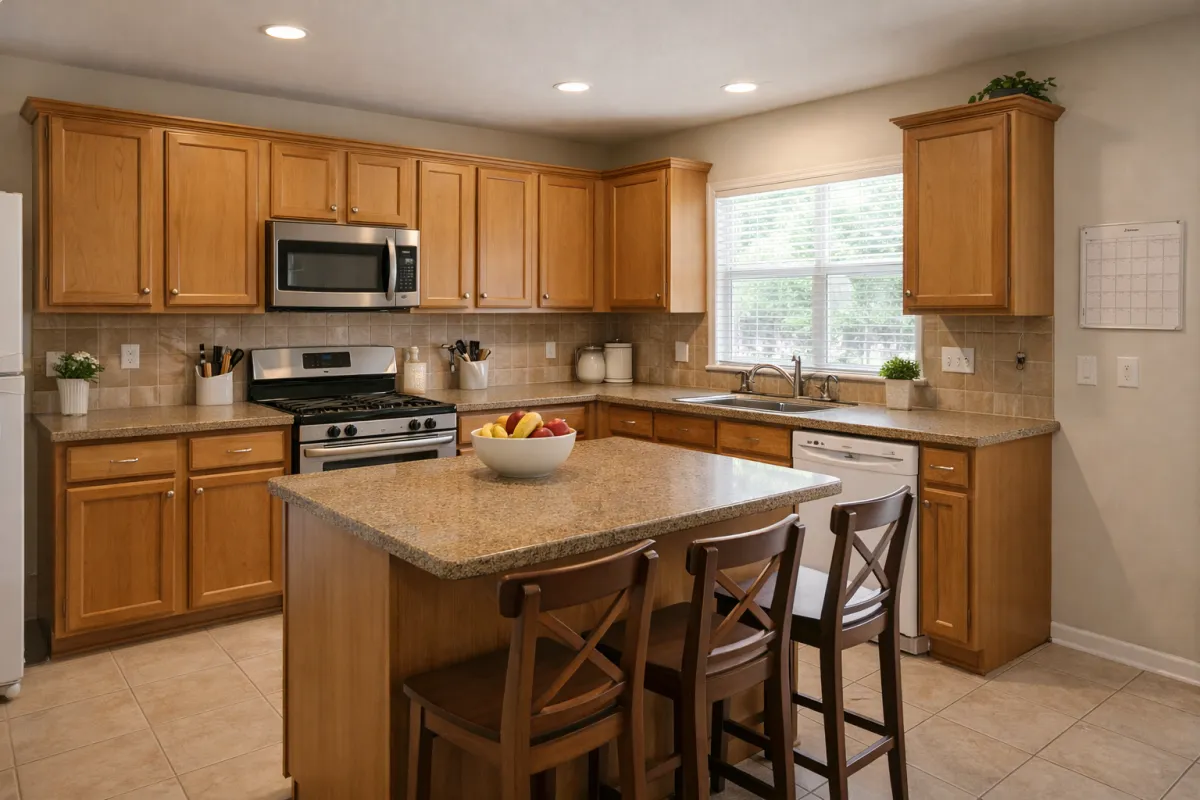
A designer commissioned us for a recently remodeled kitchen with mixed metals and complex cabinetry paint. We shot a color chart, balanced lights to a neutral baseline, and spent an extra round of local corrections so the brass hardware stayed true and the creamy white enamel did not cold shift. The listing photos held up against in person walk throughs and later ran in the contractor’s portfolio without a second shoot.
Working with agents and sellers to get the real thing right
Editing should not carry everything on its back. When agents prep a property with the same reality mindset, the shoot goes faster and the results look better. At Luminis Media listing photography shoots, we do a short walk through with the agent and seller. We set shades consistently for visuals and for privacy, we adjust a few practical lights to reduce harsh color conflicts, and we move minor decor that crowds line of sight. The goal is not to stage on the fly, it is to simplify the frame so we are photographing the space, not battling objects.
We also encourage honest staging. A sofa that fits the room is better than a giant sectional that forces a bad camera angle. A small dining table can show that a breakfast nook seats two comfortably rather than distorting the space to hint at six. It is easier to photograph truth than to invent it later.
Quality control and calibration are non negotiable
You cannot preserve reality if your screens lie. Our editing stations run hardware calibration monthly, and before large projects like Luminis Media real estate videography color sessions, we do a quick verification pass. We proof on a MacBook, a typical Windows laptop, and a standard iPad to spot common shifts. If a client team uses a specific display in their office, we can send a small set of proofs to check how it renders on site.
When we hire additional editors for peak seasons, we train them on a color reference set that includes tricky whites, varied wood species, and mixed light rooms. Their work is checked against those references, and every export passes a final supervisor review before delivery.
Edge cases, judgment calls, and staying honest
Not every property fits a neat rulebook. A historic cottage with leaded glass and warm plaster should not look like a brand new spec house. A glass box penthouse at noon might be accurately cool. Preserving reality sometimes means keeping a little color cast the eye expects on site, or letting the shadows sit a touch deeper on a moody den that really is a moody den.
There are also moments to say no. We decline requests to clone out visible cracks that require repair, to edit out high tension lines from a backyard, or to brighten a window so strongly that the interior looks floodlit. A professional Luminis Media real estate photographer is a steward of trust for both agent and buyer. The short term gain of a flashier thumbnail is not worth the long term erosion of credibility.
Choosing luminis.media for real estate and property visuals
If you need a team that can deliver strong images without tipping into fiction, luminis.media real estate photography is built for that brief. We combine technical capture, measured lighting, and restrained post production to make spaces look as good as they can, and exactly like they are. We can scale from compact condos to full estates, and we bring the same ethos to Luminis Media property photography for builders and designers as we do to MLS focused sets for agents.
For projects that need integrated motion, our real estate videography Luminis Media crews work hand in hand with the still team so pacing, color, and perspective align. Luxury properties get additional time for material fidelity and architectural detailing, which is why many clients ask for Luminis Media luxury real estate photography and video together. Consistency across deliverables is part of preserving reality too.
A simple delivery checklist clients appreciate
- MLS set in sRGB, 3000 to 4000 px long edge, labeled by room and angle.
- Print or portfolio set on request in Adobe RGB or TIFF, full resolution.
- Vertical social crops designed from primary angles, not artificially extended.
- Disclosure images for virtually staged rooms, with matching empty frames.
- One page usage guide that lists what was adjusted and what was left natural, for team reference.
Editing that preserves reality is not about restraint for its own sake. It is about matching the image to the experience. When a buyer steps inside and says, yes, this feels like the photos, everything else gets easier. That is the standard we hold at Luminis Media, and it is the reason our clients trust us with their listings, their brand, and their reputation.