Brand Elevation via listing photography Luminis Media in Houston
Real estate brands are built one impression at a time. In a market as competitive and sprawling as Houston, those impressions often arrive as thumbnails: a hero exterior at dusk, a kitchen with crisp lines, a living room that feels both spacious and warm. The image that earns the click sets the tone for everything that follows, from showing requests to offer strength to how a seller talks about your professionalism to friends. That is why listing photography, when executed with intention, functions as brand work, not just marketing collateral.
I have walked into shoots on sweltering August afternoons where the humidity fogged lenses in seconds, and into winter mornings where Gulf light filled a room with a delicate glow. Houston is a city of microclimates and architectural contrast, from ranch homes in Spring Branch to glassy townhomes in Midtown. Those realities shape how a photographer plans a session and how an agent should think about visual strategy. Luminis Media builds around those specifics, not a one size fits all playbook, which is why agents who invest in consistent visuals see compounding returns that follow them from listing to listing.
What strong images do for your brand, not just your listing
Well made listing images whisper competence. They signal to sellers that you manage details, and to buyers that you represent properties worth seeing in person. This signaling effect is subtle but measurable. Properties photographed with care tend to earn more saves and longer viewing times on major portals, which pushes them higher in feed order. The algorithmic boost is a side benefit of real buyers reacting to real quality.
Good photographs also set expectations. If an image telegraphs honest proportions, coherent color, and the right level of polish, the showing experience aligns with the click. That alignment makes negotiations calmer, inspections less dramatic, and post close surveys more favorable. Over a year, that harmony compounds into referral velocity. It is not just about selling this house fast. It is about showing your future clients that your listings look like this.
Agents often ask whether any photographer can achieve the high-end real estate photography same effect as a specialized team. The difference shows up at the margins, which is where brands are built. A Luminis Media real estate photographer knows how to balance Houston’s bright exteriors with darker interiors in one frame without flattening the scene. They understand which angles MLS rules permit and which will get flagged. They know when to pull back to protect verticals and when to step in to feature material finishes. That micro level judgment is where listings become memorable, and where your brand gains authority.
Houston light is not neutral, and that is a feature
Gulf Coast light tends to be high and hard for much of the year, with reflected warmth off concrete and water. Interiors can skew cool from LED retrofits, and mixes of color temperature can ruin a white kitchen quickly if not corrected on site. Overcast days are generous to bathrooms and small bedrooms. Late afternoon in West U is gorgeous during fall when live oaks filter sun into patterned shadows. These are not small considerations. They shape your plan.
An experienced crew like the team behind real estate photography Luminis Media times exteriors to make the most of these conditions. They often recommend a two part exterior approach on higher end properties, one mid day pass for MLS clarity, and a twilight return for emotional impact. The twilight frame, especially in Houston where skies can turn periwinkle after late storms, sets the cover image apart on crowded feeds. It also anchors social assets with a color story that carries through Instagram carousels and email headers.
Workflow that respects your calendar and your standards
Brand elevation works only if the system is reliable. The luminis.media real estate photography workflow is designed to be predictable without being rigid. It starts with a short intake to determine the story of the home and the likely buyer. Is this Montrose townhouse aimed at a first time professional couple who will care about walkable coffee? Or a Meyerland rebuild drawing multi generational families who need to see the mudroom and laundry as much as the open concept kitchen? Those decisions drive shot lists and sequencing.
On site, the crew arrives with redundancy. Two camera bodies, multiple tilt shift and ultra wide lenses, speedlights and stands for supplemental fill, polarized filters for glare control on pool shots. They sweep through with a room by room plan that respects the natural path a buyer will walk at a showing. That pathway thinking matters because the gallery should read like a tour, not a jumble of pretty corners. The sequence helps buyers build a spatial map and reduces confusion.
Turnaround times matter. A standard delivery window of 24 to 48 hours accommodates most listings, with expedited options when marketing calendars tighten around broker tours. File sets come organized by platform needs. MLS friendly resolutions with safe aspect ratios, high resolution archives for print, and optimized crops for portal cover images that avoid auto cropping vital edges. The labeling is boring in the best possible way, because no one has time to guess which is which at midnight before a Thursday go live.
A practical pre shoot checklist that protects your brand
Clutter control and minor styling separates okay from excellent. Sellers do not always hear it well from their agent. They hear it better when a third party makes it simple and actionable. Share this light checklist a week before your shoot to spare everyone day of scrambling.
- Clear surfaces: kitchen counters, bathroom vanities, nightstands, and desktops should be free of small appliances and products, leaving one or two intentional items.
- Hide signs of life: trash cans, pet bowls, plungers, shower caddies, and extra floor mats disappear into the garage or car trunk.
- Window strategy: clean glass, open blinds fully, and remove heavy screens where safe so light reads clean, and views stay true.
- Light consistency: replace bulbs that are out, and match color temperatures within rooms to avoid mixed color casts.
- Curb readiness: edge the lawn, coil hoses, hide bins, and park cars off site to give the front elevation room to breathe.
Agents who send this checklist early rarely need to reschedule. The day of efficiency becomes part of your reputation. Clients remember how simple you made the process feel.
The craft inside the frame
There is a difference between documenting a room and photographing it. Luminis Media real estate photography focuses on three pillars that predict how viewers will respond.
Line control is non negotiable. Vertical lines should be vertical. A wide lens exaggerates distortion, especially in older bungalows where walls are not perfectly true. Correcting that in camera with the right lens and carefully chosen height changes the whole feeling. It also keeps viewers from getting seasick when flipping through.
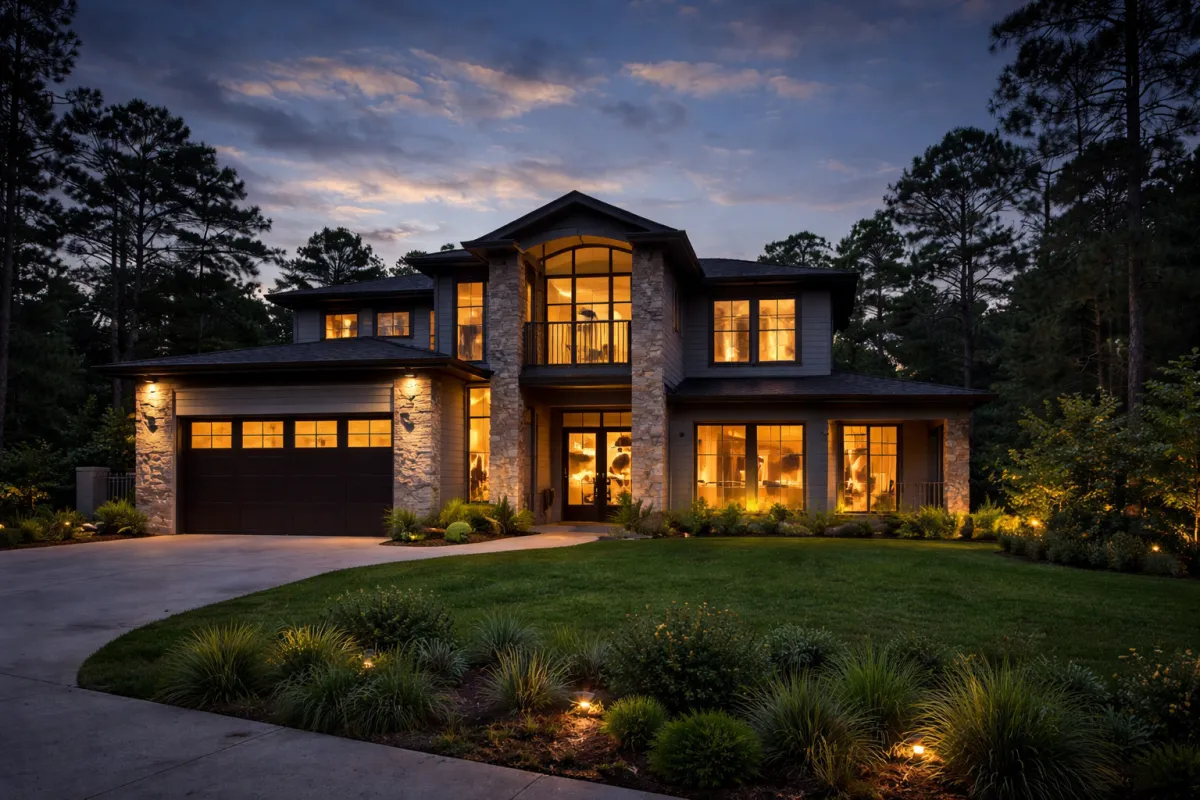
Window handling separates amateurs from pros. Houston has big windows and big sun. Exposing for interiors while trapping window detail without going sterile requires restraint. Over cooked HDR looks flat and fake, while a single exposure often loses the view. Blended exposures guided by a color managed workflow keep skies natural, trees green, and interiors luminous.
Color discipline keeps materials honest. Quartz should not glow blue. Walnut should not veer orange. White paints swing from cool to warm across spaces, and consistency in post keeps a listing gallery from feeling like five different houses stitched together. This is not academic. Buyers decide whether a home is worth visiting within seconds. Distracting color shifts sap trust.
What makes listing photography Luminis Media feel different in practice
Most providers can deliver a passable set on a clear day. The difference shows up when conditions are imperfect or layouts are tricky. In older Heights foursquares, for example, front rooms can be narrow with offset windows. The luminis.media real estate photographer will anchor one wall firmly, feature the fireplace in a compositional third, and then shift to a diagonal that emphasizes flow to the dining room without distorting proportion. The result reads bigger than it is, but still honest.
In new build townhomes with four levels, the staircase is listing photography often the backbone of the buyer experience. It is easy to skip, but including one or two well composed stair frames signals quality and helps buyers understand navigation. Small moves like staging a landing with a plant and catching the handrail curve in soft focus give the gallery a breath that makes viewers linger.
Finally, the team understands that people buy neighborhoods, not just square footage. For certain listings, they will incorporate a second shoot of lifestyle vignettes near the property. A coffee cup on a patio with filtered morning light, a quick capture of a local trailhead sign, or the texture of brick on a nearby historic building. Used sparingly and marked clearly as neighborhood imagery, these touches are powerful brand assets across your channels.
Video is not optional if you want to outperform
Luminis Media real estate videography complements stills rather than competing with them. A two minute property film with intentional pacing and clean audio lifts engagement across platforms. In larger homes, aerial establishing shots help viewers place the property in the neighborhood fabric. Houston’s tree canopy makes drone work tricky, and airspace near medical centers and airports adds restrictions, so a team that understands both FAA rules and composition is useful.
Good real estate videography luminis.media work is quiet. Cuts breathe. Movement is slow and purposeful. Natural light leads the way, with supportive key lighting when needed. Captions or quick overlays can nod to square footage and key features without turning the film into a listing sheet. Agents benefit from this restraint, because the video feels like a brand piece, not a loud ad.
Short form edits for Reels and Stories extend the lifespan of a shoot. A 15 second vertical cut that opens with the twilight front elevation, glides past the kitchen island, and lands on the outdoor living space performs well. When paired with an agent on camera for a quick intro, the piece also boosts personal brand recall. The luminis.media real estate videography team typically delivers a master cut plus a vertical variant to cover both needs without reshoots.
Deliverables that consider where images actually live
The same photo that shines on a 27 inch monitor can fall flat inside a portal’s mobile carousel if aspect ratios crop too tightly. That is why Luminis Media real estate photos ship in sets that match real channels. MLS often enforces maximum sizes and can compress aggressively, so final export profiles are tuned to resist banding and preserve edge detail. For Zillow, Realtor.com, and HAR, cover images need strong center weighting because auto crops on thumbnails ignore the edges.
Instagram grids favor 4 by 5 verticals, and Facebook cover images want panoramic crops that can punish a typical composition. The real estate photos Luminis Media team creates include alternates for these edge cases, which saves the agent from awkward last minute edits that degrade quality. This level of preparation is invisible to the end viewer, but clients sense it. Smooth execution feels like a premium brand.
Pricing, ROI, and when to spend more
Not every property warrants the same investment. A tidy starter home in Alief can sell quickly with a strong core set of stills and a basic walk through video. A custom build in Memorial with multiple outdoor living zones benefits from twilight exteriors, detail vignettes, community frames, a narrated video, and possibly a floor plan. The ROI calculation should weigh your fee structure, days on market data for the submarket, and comps that show where high quality visuals push perceived value.
What we see in practice is that even modest additions move the needle. Adding one twilight exterior to a standard set often increases click through and saves because the cover image differentiates. On homes where buyers cross shop by square footage and finish level, that differentiation can raise showing count enough to produce one more offer. That extra offer tightens the spread and helps your seller negotiate cleaner terms. Over a year, that pattern shows up as higher list to sale ratios on your scorecard.
Common mistakes that quietly harm your brand
Even skilled agents fall into habits that work against them. The most frequent issues are avoidable with a little forethought.
- Rushed sequencing: uploading images out of spatial order confuses buyers and shortens viewing time.
- Over staging: too many props or bold colors distract from architecture and materials.
- Harsh post processing: excessive HDR or oversaturated skies look cheap and break trust.
- Incomplete coverage: skipping secondary spaces like utility rooms suggests corner cutting.
- Platform mismatch: using MLS crops on social or vice versa leads to awkward framing and weaker performance.
Treat these as system fixes rather than one off corrections. When your process solves them consistently, your brand gains stability in the eyes of both clients and peers.
Collaboration with builders, stagers, and designers
Where multiple vendors intersect, the agent becomes a conductor. The best outcomes happen when the photographer is looped in early with the stager and, on new builds, the designer or builder’s rep. If a developer plans to install temporary window film right before a shoot, or a stager expects a delivery the morning of, a quick three way call can prevent surprises. The Luminis Media property photography team is comfortable advising on micro staging moves, like swapping a reflective chrome lamp for a matte alternative to avoid hotspots in a tight bedroom.
For builder clients, luminis.media property photography sessions often include progress documentation as well. A clean set at drywall, another at substantial completion, and the final marketing set at punch list completion give you material for months of pipeline marketing. Those progress frames also protect everyone when questions about finishes arise, because they create a dated visual record.
Ethical staging and the line between polish and misrepresentation
Virtual staging is a useful tool when used clearly and sparingly. Houston’s investor heavy submarkets see a lot of vacant listings where staging budgets are limited. The rule of thumb is to prefer minimal, believable furniture that helps scale a room without suggesting features that do not exist. If a photographer from real estate photography luminis.media applies virtual staging, the images are labeled, and the unstaged frames are provided as well. Prominent water damage, structural cracks, and other defects are never cloned out. Smoothing a scuffed wall is reasonable. Removing a power line is not, unless the seller is genuinely burying utilities before close.
Accuracy extends to color. If a room is painted a strong blue that will read as teal on some screens, it is better to preserve the true hue and note paint details in the listing than to mute it into a safer gray. Buyers eventually see the property in person. The closer the gallery maps to that reality, the less friction you create for yourself.
Scheduling around weather and Houston realities
Summer storms build fast. Pollen seasons haze skylights. Construction noise can ruin audio if you are recording on site commentary. Planning is both about buffers and prepared alternatives. Luminis Media listing photography teams monitor weather for their routes and can often swap indoor heavy shoots on days when exteriors are unreliable. When exteriors must be captured, they will sometimes shoot the hero front elevation and main backyard the day before a rain system moves in, then return for interiors. It is extra driving for the crew, but better than betting your cover image on a gray morning.
Parking can be its own variable in tight neighborhoods. Communicating about driveway access and street parking reduces delays. For high rises, pre arranging elevator access through building management can save twenty minutes that often get eaten during load in. These operational choices feel minor, but they add up to a smoother day and a calmer client.
Measuring impact without wishful thinking
Visual work is sometimes hard to attribute cleanly, yet patterns emerge if you track the right numbers. Watch three signals across your last five listings where you used a complete luminis.media real estate photos and video package. Track days on market relative to the submarket median for similar properties during the same two month window. Compare save rates and click through to showing request conversion on the portals where you list. Count the number of listing appointment referrals that mention your marketing specifically.
When you see consistent deltas in your favor, lean into what worked. Maybe twilight covers outperform on townhomes with modest yards, while drone shots matter more for one acre lots just inside the Beltway. Let the data inform spend, but keep the craft. Averages do not tell you how to compose the primary bath or whether to angle slightly to catch both mirrors without double reflections. That is where experience earns its keep.
Practical case notes from Houston streets
A recent Westbury ranch had been lightly updated, but the yard told the real story. A live oak framed the facade beautifully, but the interior ceilings were lower than newer comps. We scheduled a late afternoon exterior to let the oak cast soft shadows across the front, then kept interior tripod height carefully controlled to avoid emphasizing ceiling height. The gallery led with the exterior, then a bright kitchen frame that made full use of the window wall. Showings spiked in the first 48 hours, and the seller accepted an offer at a number that surprised them by a few thousand. Not a viral miracle, just careful execution.
In EaDo, a three story townhome had a cramped first floor entry and a small ground level bedroom. Rather than pretend the space was larger, the Luminis Media real estate photographer emphasized vertical circulation by featuring the stair and the double height second level living area. A quick neighborhood set of the nearby green space and a frame of a weekend farmers market, clearly labeled as neighborhood, rounded the story. The buyer later told the agent that the video helped them understand the flow better than other townhomes they had toured online.
For a Memorial new build, the developer wanted a hero set that would live beyond the listing, on their website and future brochures. The luminis.media real estate videography team created a brand forward film with restrained pacing, intercut with detail shots of millwork and stone. Still frames included several material vignettes that the builder now uses as a finish board with clients. That is brand elevation at two levels, for the agent and the builder.
How to engage Luminis Media for maximum effect
Approach each listing as part of a portfolio rather than a one off. Work with the team to identify two or three signature elements that represent your approach. Perhaps it is always a twilight exterior, a consistent color profile, and a lifestyle secondary frame. Over the course of six months, prospective clients who browse your site or Instagram will recognize the cohesion. That recognition breeds trust before you ever sit down at a dining table to talk pricing.
If your pipeline includes a mix of property types, build packages that reflect that variety. A basic set for entry level homes that still hits your brand notes. A premium set for larger or luxury listings that includes Luminis Media real estate videography and a few specialty frames. Decide where virtual staging fits, and where you prefer physical staging. Share your lead times and how quickly you need files based on your typical listing cadence. All of this favors rhythm over improvisation, which is how brands grow.
Finally, stay curious. Ask to review the contact sheets or outtakes occasionally. You will learn how angles play, which will make you faster at walk throughs during showings. You will notice how shade positions affect exteriors, which will help you choose the best appointment times with sellers. The exchange goes both ways. Photographers learn how you pitch a home and can shoot to support that story, not just to satisfy technical checklists.
A brief word on search visibility without losing soul
People find you through images and words, and the words still matter. This is where a careful use of phrases like Luminis Media property photography or listing photography Luminis Media helps buyers and sellers searching for expertise connect with your work. Sprinkle mentions of luminis.media in bios where appropriate, and include alt text on your site that accurately names rooms and features. Do this honestly, and you will see more qualified inquiries who have already seen the level of care you bring.
The risk with keyword chasing is that it can flatten your voice. Do not let it. Your tone, your choices, the neighborhoods you champion, and the consistency of your visuals, these are what people hire. The rest is scaffolding that helps them find you.
What elevating your visuals does to your day to day
A polished listing process makes calls shorter and meetings easier. Sellers listen more closely when you show them a proven system that includes a reliable partner like real estate photography luminis.media. You will pause less to apologize for images that do not show a yard well, and spend more time discussing strategy that matters. Your social media calendar fills itself from each shoot rather than draining you with last minute scrambles.
Most importantly, you will start to enjoy the moments that got you into this business. Walking into a quiet home right before sunset. Hearing a seller say they barely recognize their space in the best possible way. Watching a buyer turn to their partner at a showing and say, this is the one. Visual craft sets those scenes. In Houston, with its complex light and even more complex market, having a steady, skilled hand behind the lens does not just sell houses. It builds the kind of brand that carries you from a decent year to a durable career.